Buy aetoy.com ?
We are moving the project
aetoy.com .
Are you interested in purchasing the domain
aetoy.com ?
domain@kv-gmbh.de · 0541-91531010
Buy aetoy.com ?
Which Santoku?
When choosing a Santoku knife, it is important to consider the blade material, handle design, and overall comfort and balance of the knife. High-quality Santoku knives are typically made of high-carbon stainless steel for durability and sharpness. Look for a knife with a comfortable handle that provides a secure grip to prevent slipping during use. Ultimately, the best Santoku knife for you will depend on your personal preferences and cooking style. **
What is a Santoku used for?
A Santoku knife is a versatile Japanese knife that is used for a variety of kitchen tasks. Its name translates to "three virtues" or "three uses," referring to its ability to handle slicing, dicing, and mincing. The Santoku is designed for precision cutting, making it ideal for preparing vegetables, fruits, and boneless meats. Its wide blade and sharp edge make it well-suited for both chopping and slicing, making it a popular choice for home cooks and professional chefs alike. **

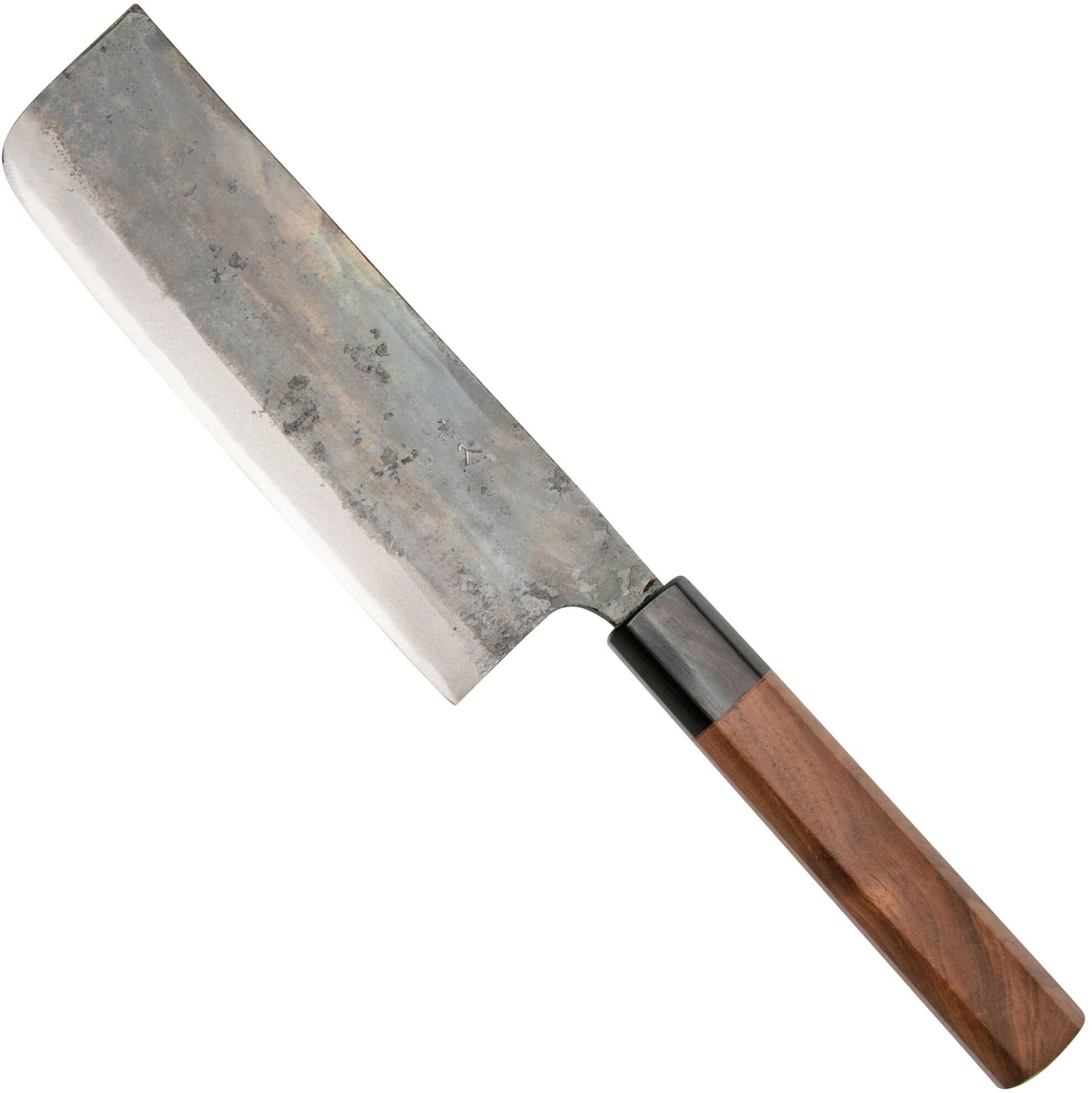
Similar search terms for Nóż-wa-santoku-Sakai-Takayuki
Top-Angebote
Products related to Nóż-wa-santoku-Sakai-Takayuki:
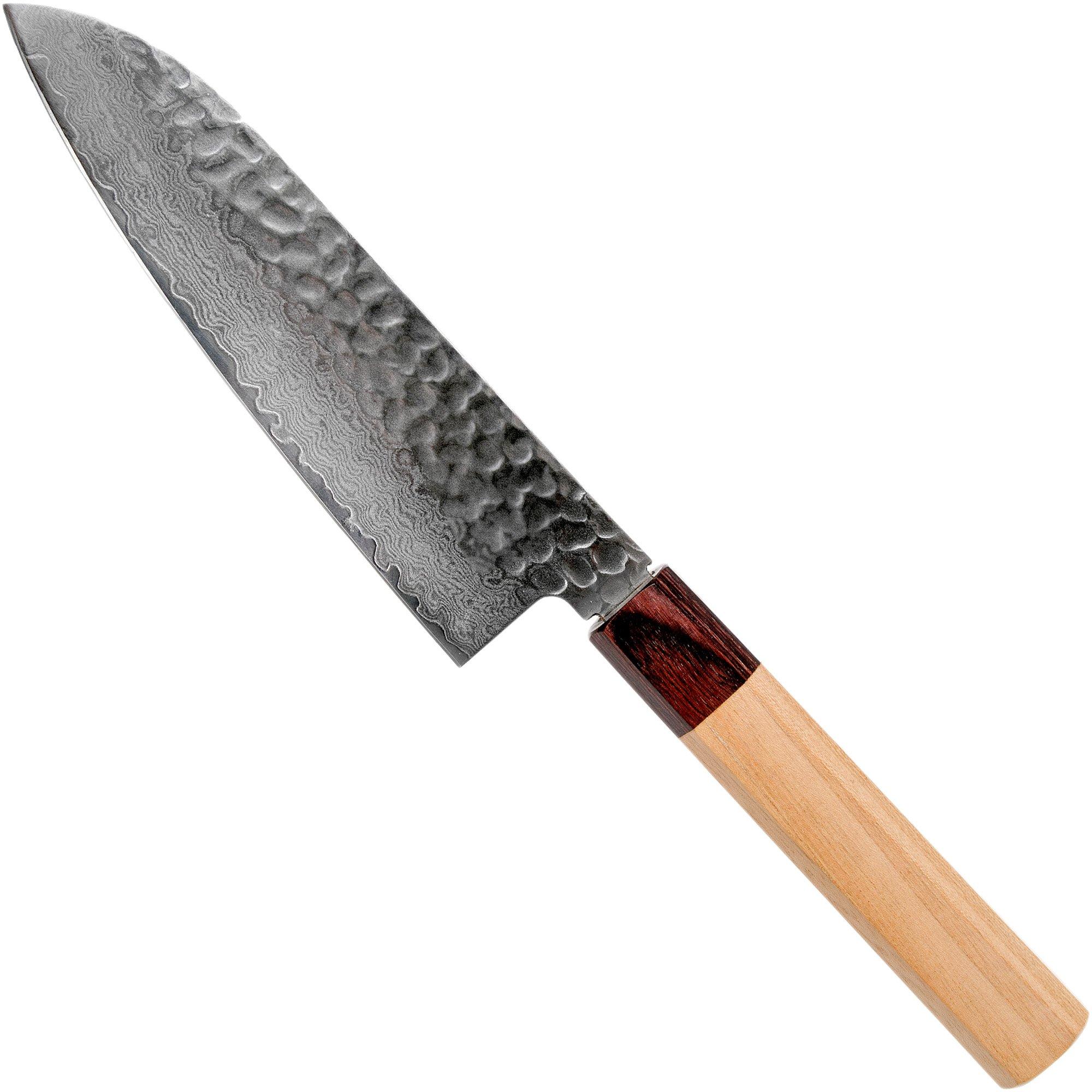
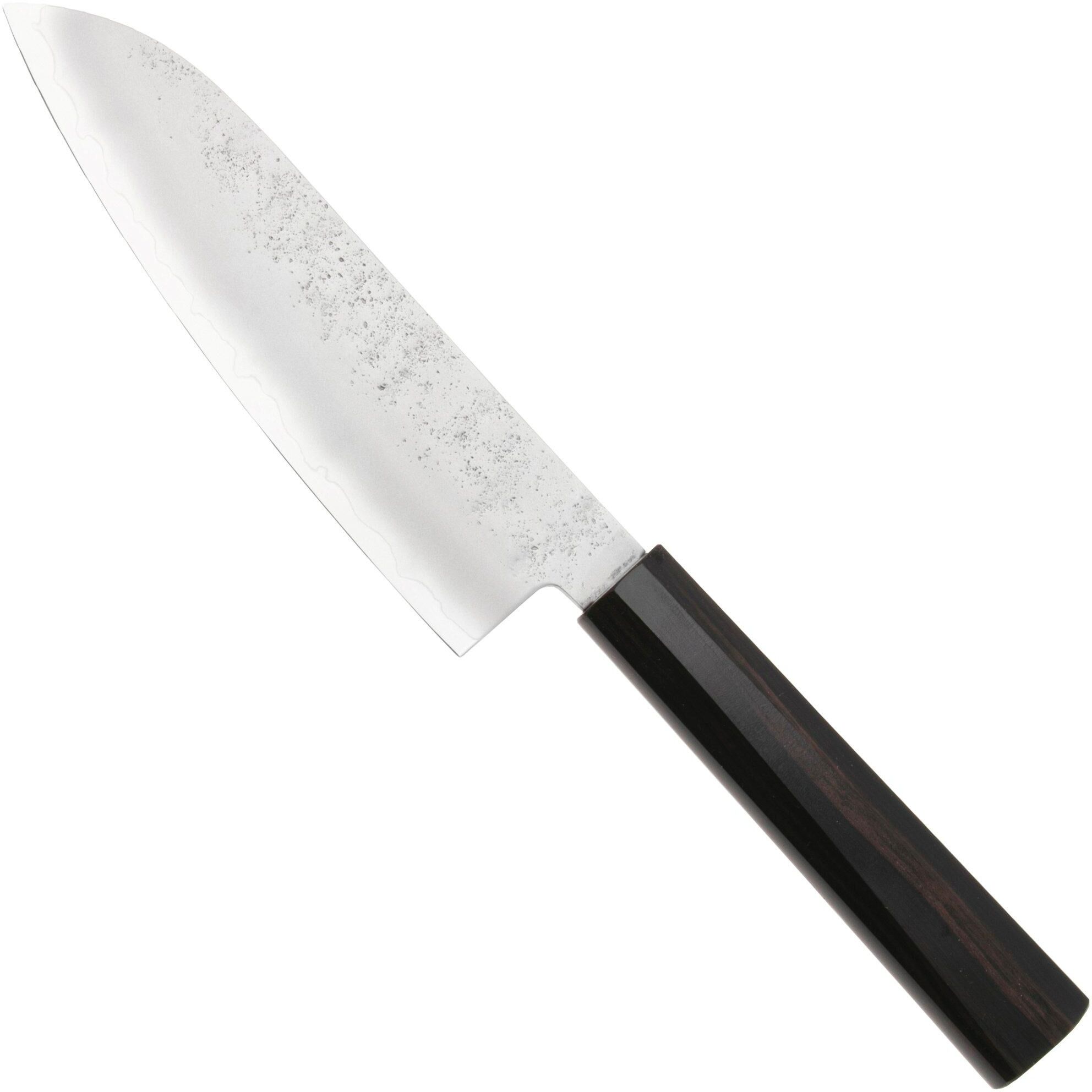


-
Which is better, a Santoku knife or a chef's knife?
The choice between a Santoku knife and a chef's knife ultimately depends on personal preference and the specific tasks you will be using the knife for. Santoku knives are known for their versatility and are great for slicing, dicing, and mincing, making them a popular choice for everyday cooking. On the other hand, chef's knives are more all-purpose and can handle a wider range of tasks, including chopping, slicing, and even some light cleaver work. If you are looking for a knife that can handle a variety of tasks, a chef's knife may be the better option. However, if you prioritize precision and control in your cutting, a Santoku knife may be the better choice. **
-
Is there a second season of Jitsu wa Watashi wa?
Yes, there is a second season of Jitsu wa Watashi wa. The anime adaptation of the manga series received a second season titled "Actually, I Am..." which aired in 2015. The second season continues the story of Asahi Kuromine and his classmates as they navigate the secrets and supernatural elements in their lives. **
-
What is the correct grammatical form: kore wa or sore wa?
The correct grammatical form is "kore wa" when referring to something close to the speaker, and "sore wa" when referring to something close to the listener. "Kore" means "this" and "sore" means "that" in Japanese. So, use "kore wa" when pointing to something near you and "sore wa" when pointing to something near the listener. **
-
What does watashi wa mean?
"Watashi wa" means "I am" in Japanese. "Watashi" is the Japanese word for "I" or "me," and "wa" is a particle that indicates the topic of the sentence. So when you say "watashi wa," you are essentially saying "I am" or "as for me." It is a common way to introduce oneself or to indicate the speaker's identity or role in a conversation. **

In response to "Jazak Allahu khayran," one replies with "Wa iyyak" or "Wa iyyakum."
"In response to 'Jazak Allahu khayran,' one replies with 'Wa iyyak' if speaking to a single person or 'Wa iyyakum' if speaking to a group. These phrases are commonly used in Islamic culture to reciprocate thanks and blessings. They essentially mean 'And to you (singular)' or 'And to you all (plural),' conveying the sentiment of mutual appreciation and well-wishes." **
Is "ha" and "wa" both correct?
Yes, both "ha" and "wa" are correct, but they are used in different contexts in the Japanese language. "Ha" is the correct pronunciation for the Hiragana character は, while "wa" is the correct pronunciation for the Hiragana character わ. It is important to use the correct pronunciation based on the specific character being used in order to communicate accurately in Japanese. **
Top-Angebote
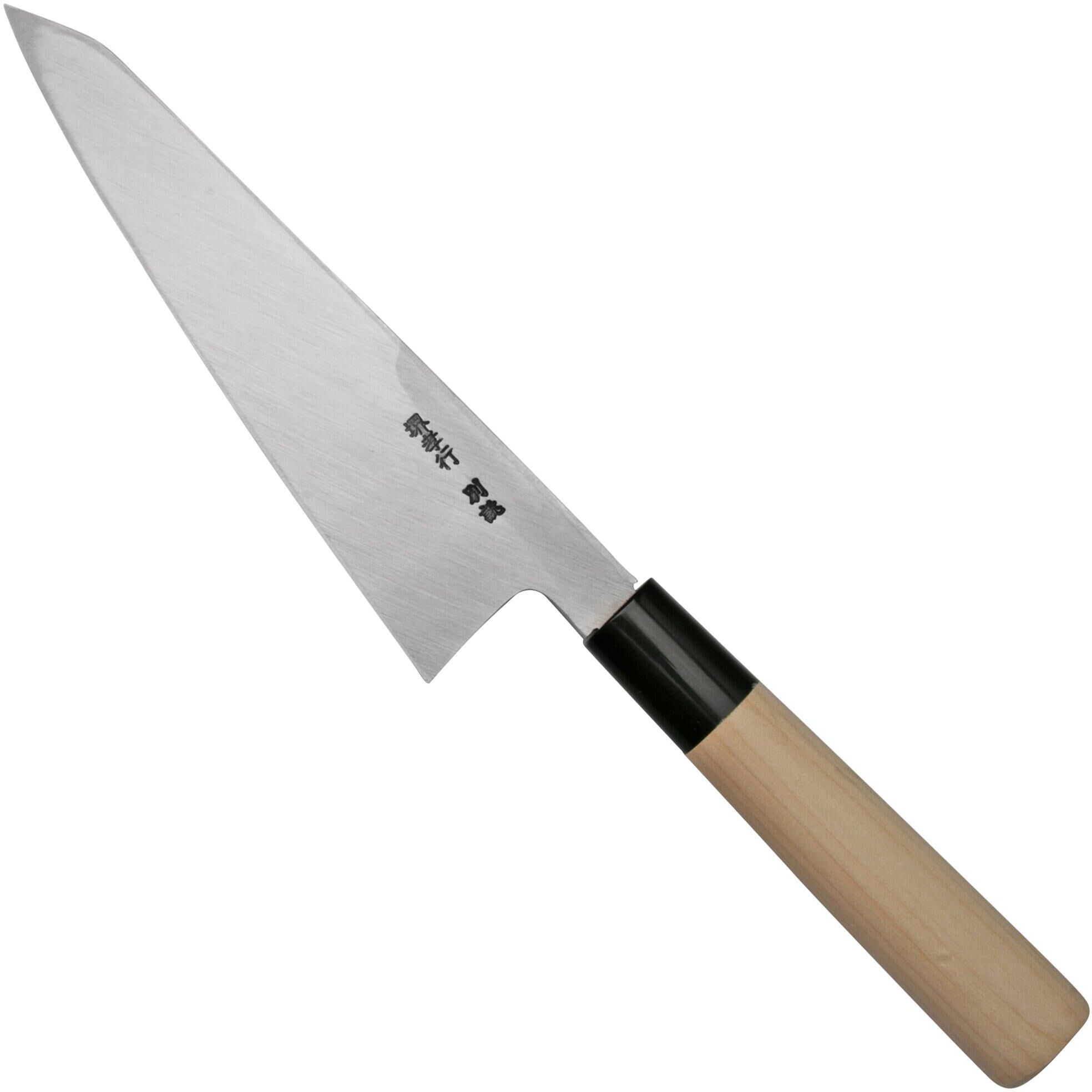
Products related to Nóż-wa-santoku-Sakai-Takayuki:
-
Which Santoku?
When choosing a Santoku knife, it is important to consider the blade material, handle design, and overall comfort and balance of the knife. High-quality Santoku knives are typically made of high-carbon stainless steel for durability and sharpness. Look for a knife with a comfortable handle that provides a secure grip to prevent slipping during use. Ultimately, the best Santoku knife for you will depend on your personal preferences and cooking style. **
-
What is a Santoku used for?
A Santoku knife is a versatile Japanese knife that is used for a variety of kitchen tasks. Its name translates to "three virtues" or "three uses," referring to its ability to handle slicing, dicing, and mincing. The Santoku is designed for precision cutting, making it ideal for preparing vegetables, fruits, and boneless meats. Its wide blade and sharp edge make it well-suited for both chopping and slicing, making it a popular choice for home cooks and professional chefs alike. **
-
Which is better, a Santoku knife or a chef's knife?
The choice between a Santoku knife and a chef's knife ultimately depends on personal preference and the specific tasks you will be using the knife for. Santoku knives are known for their versatility and are great for slicing, dicing, and mincing, making them a popular choice for everyday cooking. On the other hand, chef's knives are more all-purpose and can handle a wider range of tasks, including chopping, slicing, and even some light cleaver work. If you are looking for a knife that can handle a variety of tasks, a chef's knife may be the better option. However, if you prioritize precision and control in your cutting, a Santoku knife may be the better choice. **
-
Is there a second season of Jitsu wa Watashi wa?
Yes, there is a second season of Jitsu wa Watashi wa. The anime adaptation of the manga series received a second season titled "Actually, I Am..." which aired in 2015. The second season continues the story of Asahi Kuromine and his classmates as they navigate the secrets and supernatural elements in their lives. **
Similar search terms for Nóż-wa-santoku-Sakai-Takayuki
-
What is the correct grammatical form: kore wa or sore wa?
The correct grammatical form is "kore wa" when referring to something close to the speaker, and "sore wa" when referring to something close to the listener. "Kore" means "this" and "sore" means "that" in Japanese. So, use "kore wa" when pointing to something near you and "sore wa" when pointing to something near the listener. **
-
What does watashi wa mean?
"Watashi wa" means "I am" in Japanese. "Watashi" is the Japanese word for "I" or "me," and "wa" is a particle that indicates the topic of the sentence. So when you say "watashi wa," you are essentially saying "I am" or "as for me." It is a common way to introduce oneself or to indicate the speaker's identity or role in a conversation. **
-
In response to "Jazak Allahu khayran," one replies with "Wa iyyak" or "Wa iyyakum."
"In response to 'Jazak Allahu khayran,' one replies with 'Wa iyyak' if speaking to a single person or 'Wa iyyakum' if speaking to a group. These phrases are commonly used in Islamic culture to reciprocate thanks and blessings. They essentially mean 'And to you (singular)' or 'And to you all (plural),' conveying the sentiment of mutual appreciation and well-wishes." **
-
Is "ha" and "wa" both correct?
Yes, both "ha" and "wa" are correct, but they are used in different contexts in the Japanese language. "Ha" is the correct pronunciation for the Hiragana character は, while "wa" is the correct pronunciation for the Hiragana character わ. It is important to use the correct pronunciation based on the specific character being used in order to communicate accurately in Japanese. **
* All prices are inclusive of VAT and, if applicable, plus shipping costs. The offer information is based on the details provided by the respective shop and is updated through automated processes. Real-time updates do not occur, so deviations can occur in individual cases. ** Note: Parts of this content were created by AI.