Buy aetoy.com ?
We are moving the project
aetoy.com .
Are you interested in purchasing the domain
aetoy.com ?
domain@kv-gmbh.de · 0541-91531010
Buy aetoy.com ?
Which Santoku?
When choosing a Santoku knife, it is important to consider the blade material, handle design, and overall comfort and balance of the knife. High-quality Santoku knives are typically made of high-carbon stainless steel for durability and sharpness. Look for a knife with a comfortable handle that provides a secure grip to prevent slipping during use. Ultimately, the best Santoku knife for you will depend on your personal preferences and cooking style. **
What is a Santoku used for?
A Santoku knife is a versatile Japanese knife that is used for a variety of kitchen tasks. Its name translates to "three virtues" or "three uses," referring to its ability to handle slicing, dicing, and mincing. The Santoku is designed for precision cutting, making it ideal for preparing vegetables, fruits, and boneless meats. Its wide blade and sharp edge make it well-suited for both chopping and slicing, making it a popular choice for home cooks and professional chefs alike. **

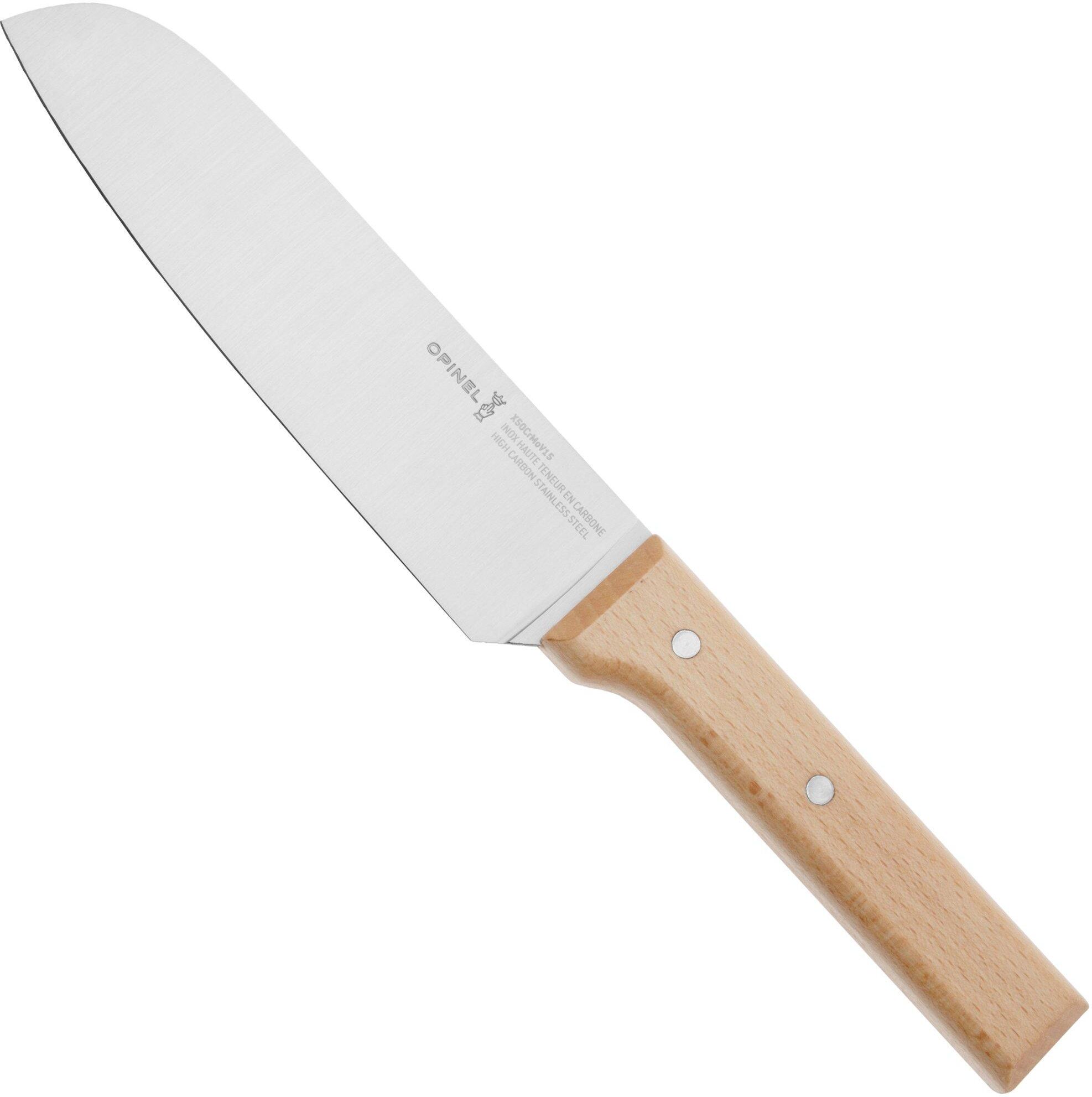
Similar search terms for Nóż-santoku-Opinel-Les
Top-Angebote
Products related to Nóż-santoku-Opinel-Les:
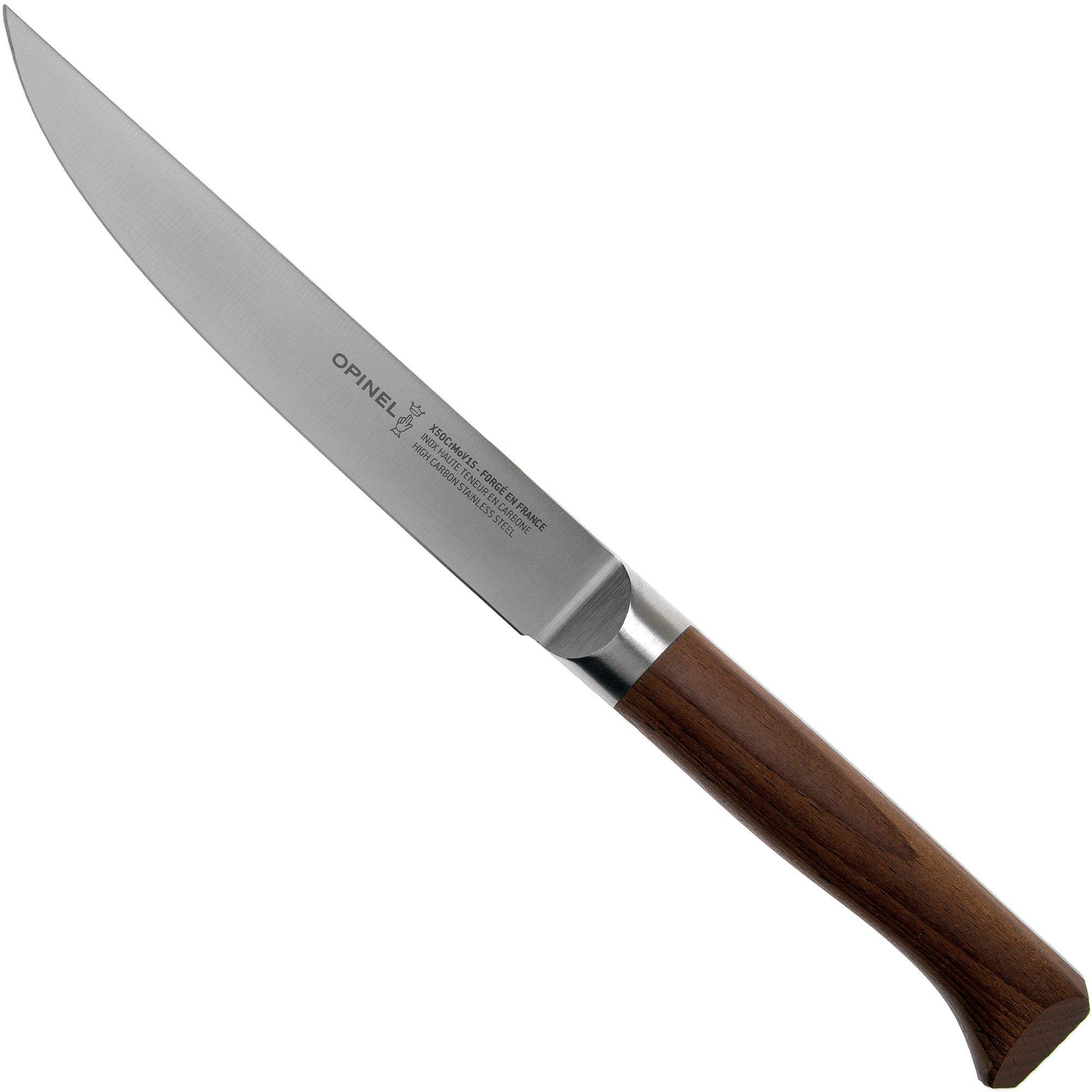

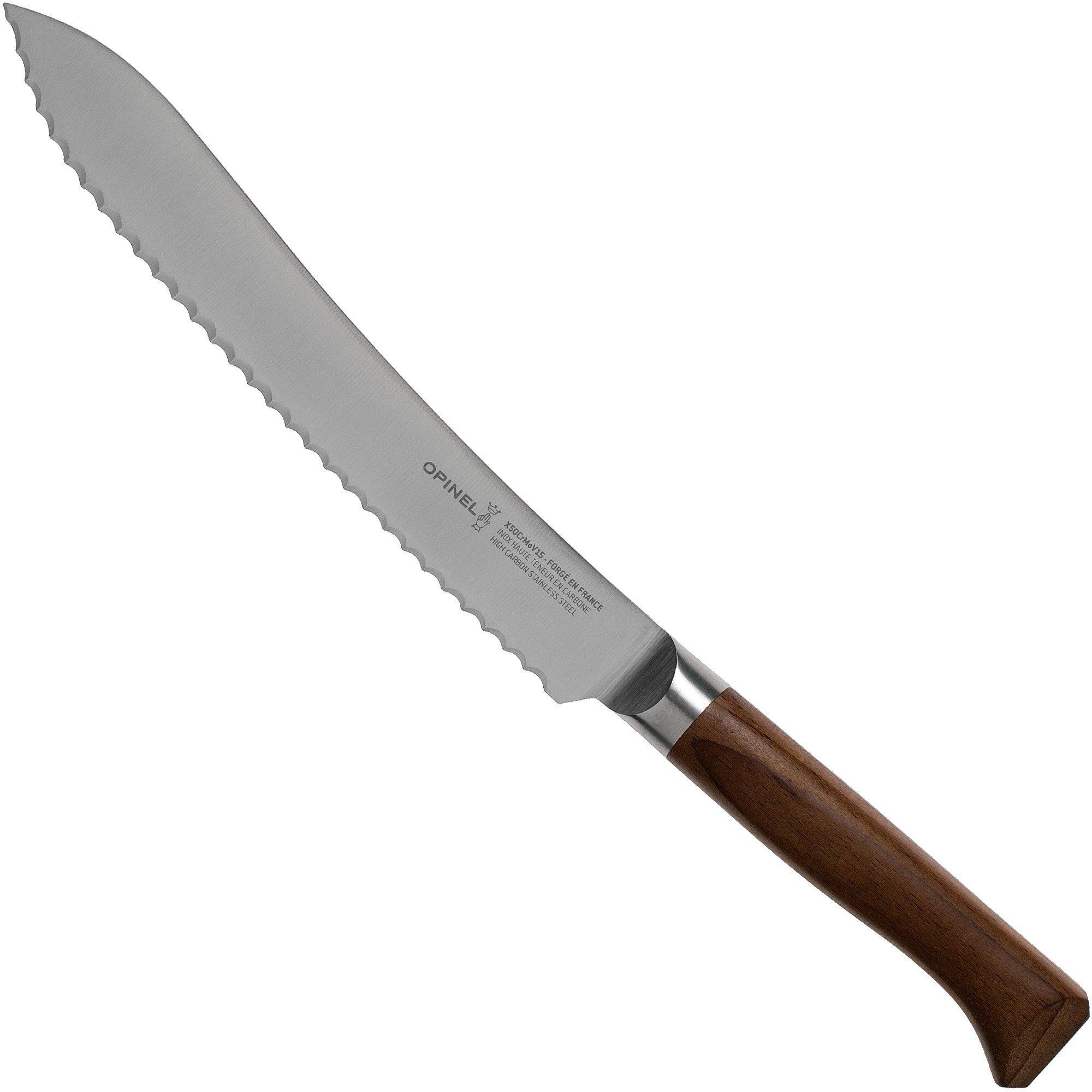
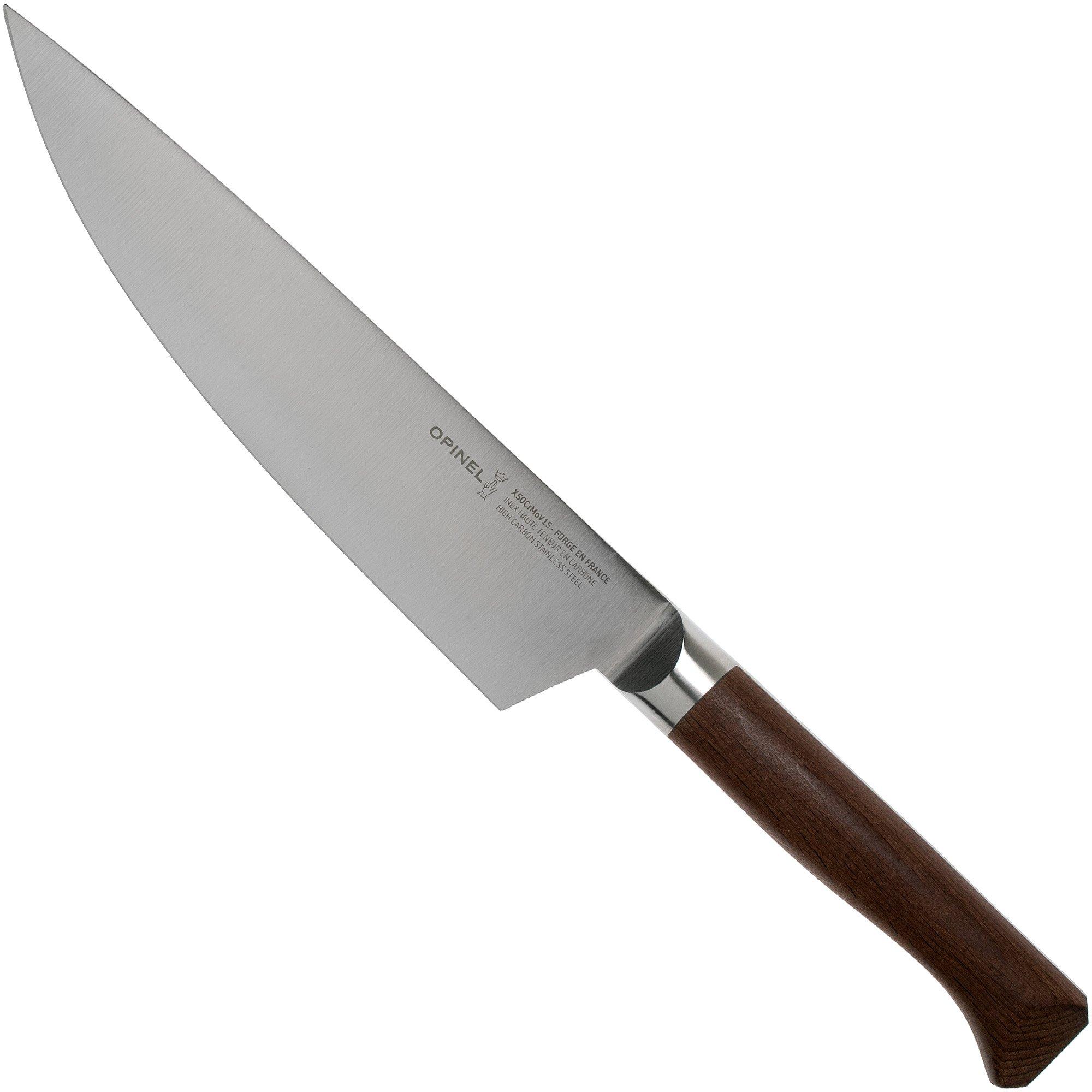
-
How can one seal an Opinel knife?
To seal an Opinel knife, you can use a food-safe mineral oil or a combination of beeswax and mineral oil. First, clean the knife blade and handle to remove any dirt or debris. Then, apply a thin layer of the oil or beeswax mixture to the blade and handle, making sure to cover the entire surface. Allow the oil or wax to soak in for a few minutes, then wipe off any excess. This will help protect the knife from rust and moisture, keeping it in good condition for years to come. **
-
How do you care for an Opinel knife?
To care for an Opinel knife, it is important to keep the blade clean and dry after each use to prevent rusting. You can clean the blade with a damp cloth and mild soap, then dry it thoroughly. It is also recommended to oil the blade and handle with a food-safe oil to protect the wood and prevent drying out. Store the knife in a dry place and avoid exposing it to extreme temperatures or moisture. Regularly sharpening the blade will also help maintain its sharpness and performance. **
-
Which is better, a Santoku knife or a chef's knife?
The choice between a Santoku knife and a chef's knife ultimately depends on personal preference and the specific tasks you will be using the knife for. Santoku knives are known for their versatility and are great for slicing, dicing, and mincing, making them a popular choice for everyday cooking. On the other hand, chef's knives are more all-purpose and can handle a wider range of tasks, including chopping, slicing, and even some light cleaver work. If you are looking for a knife that can handle a variety of tasks, a chef's knife may be the better option. However, if you prioritize precision and control in your cutting, a Santoku knife may be the better choice. **
-
How do you take care of an Opinel knife?
To take care of an Opinel knife, it's important to keep the blade clean and dry after each use to prevent rusting. You can clean the blade with a damp cloth and mild soap, then dry it thoroughly. It's also a good idea to oil the blade and handle periodically to keep them in good condition. Additionally, make sure to store the knife in a dry place and avoid exposing it to extreme temperatures or moisture. Regular maintenance and proper storage will help prolong the life of your Opinel knife. **

How do you perform batoning with an Opinel knife?
To perform batoning with an Opinel knife, you first need to find a sturdy piece of wood that is larger in diameter than the blade of the knife. Next, place the knife blade on the piece of wood where you want to split it and gently tap the back of the knife with a baton or another piece of wood. Slowly increase the force of the strikes until the wood begins to split. Continue this process until you have split the wood to your desired size. Remember to use caution and ensure that the knife is securely placed to avoid injury. **
How do I remove the rust from my Opinel?
To remove rust from your Opinel knife, you can start by using a mixture of water and baking soda to create a paste. Apply the paste to the rusted areas and let it sit for a few minutes. Then, use a soft-bristled brush or a piece of steel wool to gently scrub the rusted areas. After scrubbing, rinse the knife with water and dry it thoroughly. You can also use a rust remover product specifically designed for knives if the rust is stubborn. Finally, apply a thin layer of oil to the blade to prevent future rusting. **
Top-Angebote
Products related to Nóż-santoku-Opinel-Les:
-
Which Santoku?
When choosing a Santoku knife, it is important to consider the blade material, handle design, and overall comfort and balance of the knife. High-quality Santoku knives are typically made of high-carbon stainless steel for durability and sharpness. Look for a knife with a comfortable handle that provides a secure grip to prevent slipping during use. Ultimately, the best Santoku knife for you will depend on your personal preferences and cooking style. **
-
What is a Santoku used for?
A Santoku knife is a versatile Japanese knife that is used for a variety of kitchen tasks. Its name translates to "three virtues" or "three uses," referring to its ability to handle slicing, dicing, and mincing. The Santoku is designed for precision cutting, making it ideal for preparing vegetables, fruits, and boneless meats. Its wide blade and sharp edge make it well-suited for both chopping and slicing, making it a popular choice for home cooks and professional chefs alike. **
-
How can one seal an Opinel knife?
To seal an Opinel knife, you can use a food-safe mineral oil or a combination of beeswax and mineral oil. First, clean the knife blade and handle to remove any dirt or debris. Then, apply a thin layer of the oil or beeswax mixture to the blade and handle, making sure to cover the entire surface. Allow the oil or wax to soak in for a few minutes, then wipe off any excess. This will help protect the knife from rust and moisture, keeping it in good condition for years to come. **
-
How do you care for an Opinel knife?
To care for an Opinel knife, it is important to keep the blade clean and dry after each use to prevent rusting. You can clean the blade with a damp cloth and mild soap, then dry it thoroughly. It is also recommended to oil the blade and handle with a food-safe oil to protect the wood and prevent drying out. Store the knife in a dry place and avoid exposing it to extreme temperatures or moisture. Regularly sharpening the blade will also help maintain its sharpness and performance. **
Similar search terms for Nóż-santoku-Opinel-Les
-
Which is better, a Santoku knife or a chef's knife?
The choice between a Santoku knife and a chef's knife ultimately depends on personal preference and the specific tasks you will be using the knife for. Santoku knives are known for their versatility and are great for slicing, dicing, and mincing, making them a popular choice for everyday cooking. On the other hand, chef's knives are more all-purpose and can handle a wider range of tasks, including chopping, slicing, and even some light cleaver work. If you are looking for a knife that can handle a variety of tasks, a chef's knife may be the better option. However, if you prioritize precision and control in your cutting, a Santoku knife may be the better choice. **
-
How do you take care of an Opinel knife?
To take care of an Opinel knife, it's important to keep the blade clean and dry after each use to prevent rusting. You can clean the blade with a damp cloth and mild soap, then dry it thoroughly. It's also a good idea to oil the blade and handle periodically to keep them in good condition. Additionally, make sure to store the knife in a dry place and avoid exposing it to extreme temperatures or moisture. Regular maintenance and proper storage will help prolong the life of your Opinel knife. **
-
How do you perform batoning with an Opinel knife?
To perform batoning with an Opinel knife, you first need to find a sturdy piece of wood that is larger in diameter than the blade of the knife. Next, place the knife blade on the piece of wood where you want to split it and gently tap the back of the knife with a baton or another piece of wood. Slowly increase the force of the strikes until the wood begins to split. Continue this process until you have split the wood to your desired size. Remember to use caution and ensure that the knife is securely placed to avoid injury. **
-
How do I remove the rust from my Opinel?
To remove rust from your Opinel knife, you can start by using a mixture of water and baking soda to create a paste. Apply the paste to the rusted areas and let it sit for a few minutes. Then, use a soft-bristled brush or a piece of steel wool to gently scrub the rusted areas. After scrubbing, rinse the knife with water and dry it thoroughly. You can also use a rust remover product specifically designed for knives if the rust is stubborn. Finally, apply a thin layer of oil to the blade to prevent future rusting. **
* All prices are inclusive of VAT and, if applicable, plus shipping costs. The offer information is based on the details provided by the respective shop and is updated through automated processes. Real-time updates do not occur, so deviations can occur in individual cases. ** Note: Parts of this content were created by AI.