Buy aetoy.com ?
We are moving the project
aetoy.com .
Are you interested in purchasing the domain
aetoy.com ?
domain@kv-gmbh.de · 0541-91531010
Buy aetoy.com ?
Which Santoku?
When choosing a Santoku knife, it is important to consider the blade material, handle design, and overall comfort and balance of the knife. High-quality Santoku knives are typically made of high-carbon stainless steel for durability and sharpness. Look for a knife with a comfortable handle that provides a secure grip to prevent slipping during use. Ultimately, the best Santoku knife for you will depend on your personal preferences and cooking style. **
What is a Santoku used for?
A Santoku knife is a versatile Japanese knife that is used for a variety of kitchen tasks. Its name translates to "three virtues" or "three uses," referring to its ability to handle slicing, dicing, and mincing. The Santoku is designed for precision cutting, making it ideal for preparing vegetables, fruits, and boneless meats. Its wide blade and sharp edge make it well-suited for both chopping and slicing, making it a popular choice for home cooks and professional chefs alike. **


Similar search terms for Nóż-santoku-Messermeister-Oliva
Top-Angebote
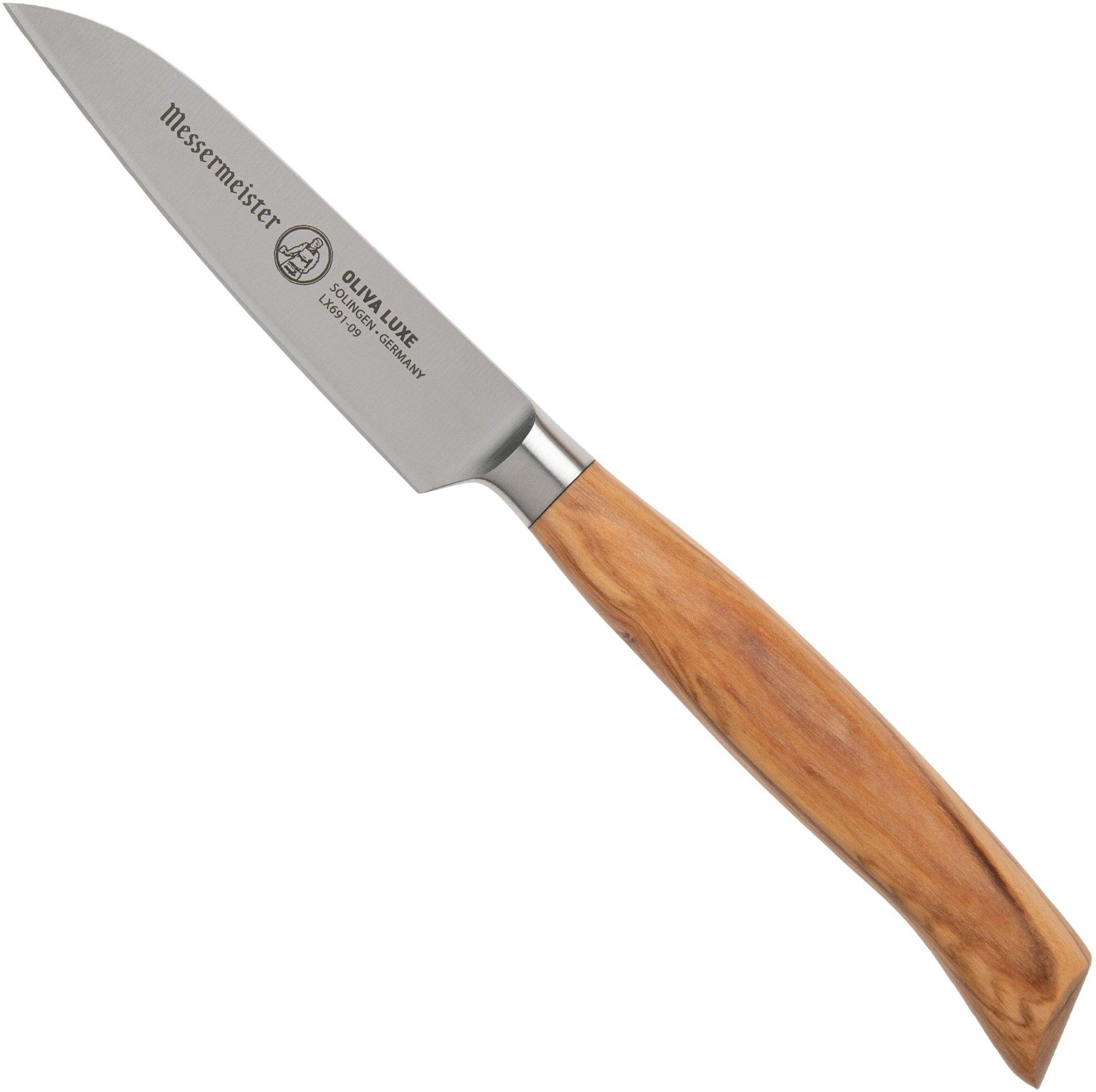
Products related to Nóż-santoku-Messermeister-Oliva:



-
Which is better, a Santoku knife or a chef's knife?
The choice between a Santoku knife and a chef's knife ultimately depends on personal preference and the specific tasks you will be using the knife for. Santoku knives are known for their versatility and are great for slicing, dicing, and mincing, making them a popular choice for everyday cooking. On the other hand, chef's knives are more all-purpose and can handle a wider range of tasks, including chopping, slicing, and even some light cleaver work. If you are looking for a knife that can handle a variety of tasks, a chef's knife may be the better option. However, if you prioritize precision and control in your cutting, a Santoku knife may be the better choice. **
-
Do learning disabled children play with toys for longer?
There is no definitive answer to this question as it can vary from child to child. Some learning disabled children may play with toys for longer periods of time as a way to engage in activities that they find enjoyable and comforting. However, other learning disabled children may have difficulty with sustained attention and may not play with toys for as long as their peers. It is important to consider the individual needs and preferences of each child when it comes to play and leisure activities. **
-
How can learning be fun?
Learning can be fun when it is interactive and engaging. Incorporating games, hands-on activities, and group projects can make learning enjoyable and memorable. Additionally, connecting the material to real-life experiences and interests of the learners can make the learning process more enjoyable. Providing opportunities for exploration and discovery can also make learning fun, as it allows students to take ownership of their learning and be actively involved in the process. **
-
What toys do your children collect?
My children collect a variety of toys, including action figures, stuffed animals, and building sets like LEGO. They also enjoy collecting trading cards and small figurines of their favorite characters from movies and TV shows. Their collections are constantly growing as they discover new interests and add to their toy collections. **

What are some fun learning methods?
Some fun learning methods include gamification, where educational content is presented in a game-like format to engage learners; hands-on activities, such as experiments or projects, that allow for interactive learning experiences; and group discussions or debates that encourage critical thinking and collaboration. Additionally, incorporating multimedia resources like videos, podcasts, or interactive simulations can make learning more engaging and enjoyable. Ultimately, finding ways to make learning interactive, relevant, and enjoyable can help make the educational experience more fun and effective. **
Why is learning absolutely no fun?
Learning is not always fun for some people because it can be challenging, require effort, and involve stepping out of one's comfort zone. Additionally, the fear of failure or making mistakes can make the learning process stressful and unenjoyable. Furthermore, if the material being learned is not engaging or relevant to the individual, it can feel like a chore rather than a rewarding experience. **
Top-Angebote
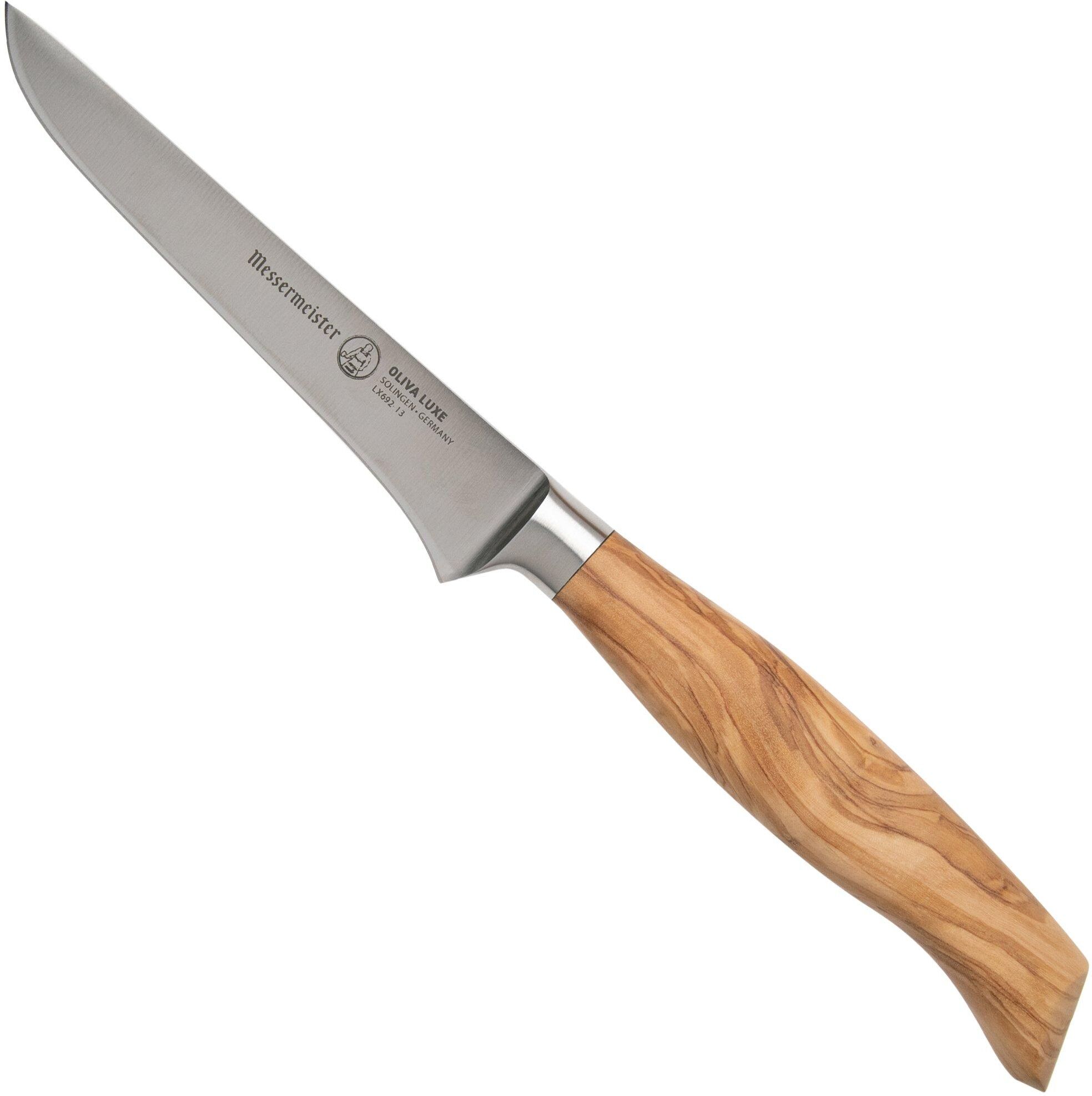
Products related to Nóż-santoku-Messermeister-Oliva:
-
Which Santoku?
When choosing a Santoku knife, it is important to consider the blade material, handle design, and overall comfort and balance of the knife. High-quality Santoku knives are typically made of high-carbon stainless steel for durability and sharpness. Look for a knife with a comfortable handle that provides a secure grip to prevent slipping during use. Ultimately, the best Santoku knife for you will depend on your personal preferences and cooking style. **
-
What is a Santoku used for?
A Santoku knife is a versatile Japanese knife that is used for a variety of kitchen tasks. Its name translates to "three virtues" or "three uses," referring to its ability to handle slicing, dicing, and mincing. The Santoku is designed for precision cutting, making it ideal for preparing vegetables, fruits, and boneless meats. Its wide blade and sharp edge make it well-suited for both chopping and slicing, making it a popular choice for home cooks and professional chefs alike. **
-
Which is better, a Santoku knife or a chef's knife?
The choice between a Santoku knife and a chef's knife ultimately depends on personal preference and the specific tasks you will be using the knife for. Santoku knives are known for their versatility and are great for slicing, dicing, and mincing, making them a popular choice for everyday cooking. On the other hand, chef's knives are more all-purpose and can handle a wider range of tasks, including chopping, slicing, and even some light cleaver work. If you are looking for a knife that can handle a variety of tasks, a chef's knife may be the better option. However, if you prioritize precision and control in your cutting, a Santoku knife may be the better choice. **
-
Do learning disabled children play with toys for longer?
There is no definitive answer to this question as it can vary from child to child. Some learning disabled children may play with toys for longer periods of time as a way to engage in activities that they find enjoyable and comforting. However, other learning disabled children may have difficulty with sustained attention and may not play with toys for as long as their peers. It is important to consider the individual needs and preferences of each child when it comes to play and leisure activities. **
Similar search terms for Nóż-santoku-Messermeister-Oliva
-
How can learning be fun?
Learning can be fun when it is interactive and engaging. Incorporating games, hands-on activities, and group projects can make learning enjoyable and memorable. Additionally, connecting the material to real-life experiences and interests of the learners can make the learning process more enjoyable. Providing opportunities for exploration and discovery can also make learning fun, as it allows students to take ownership of their learning and be actively involved in the process. **
-
What toys do your children collect?
My children collect a variety of toys, including action figures, stuffed animals, and building sets like LEGO. They also enjoy collecting trading cards and small figurines of their favorite characters from movies and TV shows. Their collections are constantly growing as they discover new interests and add to their toy collections. **
-
What are some fun learning methods?
Some fun learning methods include gamification, where educational content is presented in a game-like format to engage learners; hands-on activities, such as experiments or projects, that allow for interactive learning experiences; and group discussions or debates that encourage critical thinking and collaboration. Additionally, incorporating multimedia resources like videos, podcasts, or interactive simulations can make learning more engaging and enjoyable. Ultimately, finding ways to make learning interactive, relevant, and enjoyable can help make the educational experience more fun and effective. **
-
Why is learning absolutely no fun?
Learning is not always fun for some people because it can be challenging, require effort, and involve stepping out of one's comfort zone. Additionally, the fear of failure or making mistakes can make the learning process stressful and unenjoyable. Furthermore, if the material being learned is not engaging or relevant to the individual, it can feel like a chore rather than a rewarding experience. **
* All prices are inclusive of VAT and, if applicable, plus shipping costs. The offer information is based on the details provided by the respective shop and is updated through automated processes. Real-time updates do not occur, so deviations can occur in individual cases. ** Note: Parts of this content were created by AI.